
People in corporate finance are familiar with the ways companies manage their stocks. One such corporate action is a reverse stock split.
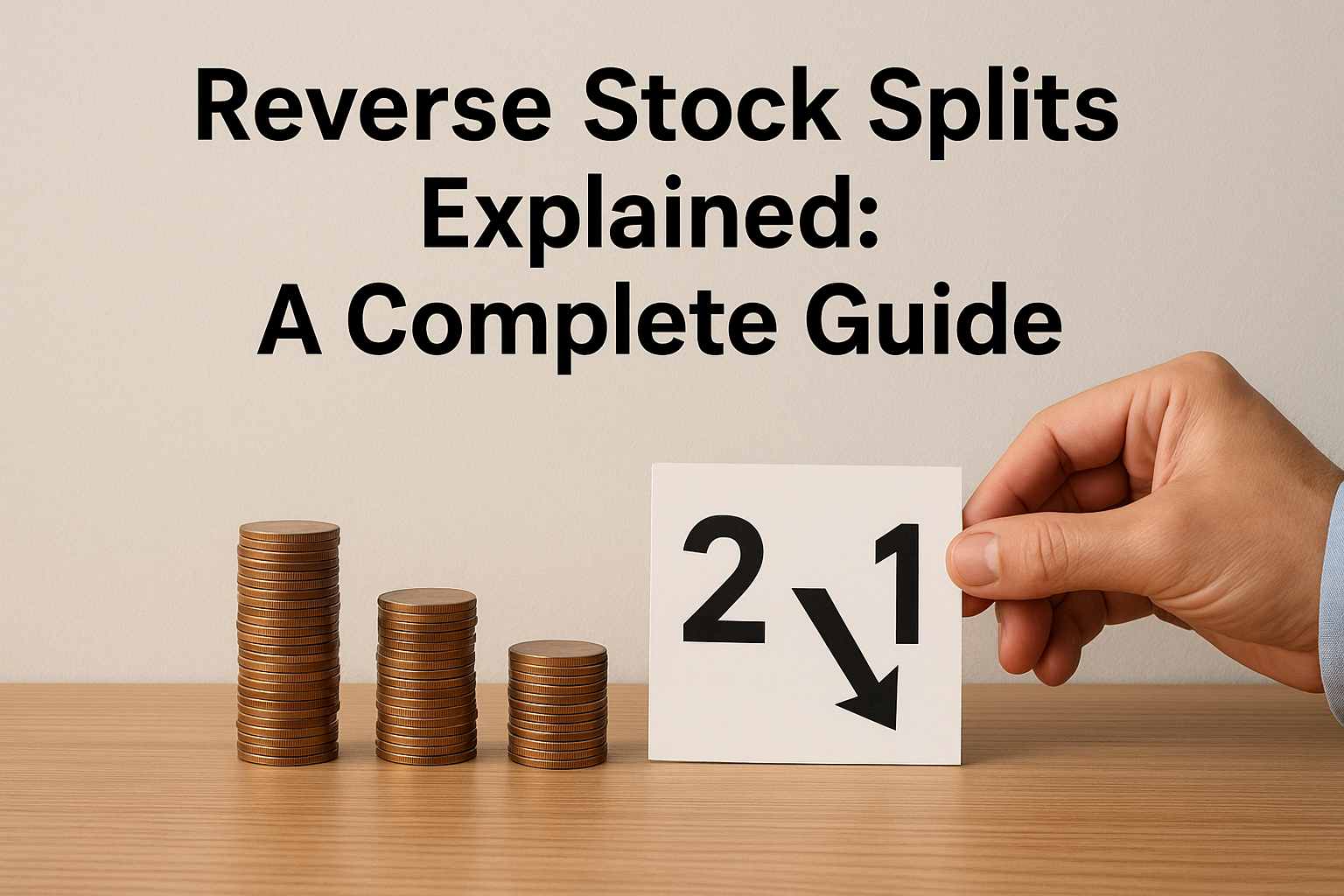
A reverse stock split is a move that reduces the total number of a company’s outstanding shares. It does this by consolidating the shares so there are fewer. But each share has a higher nominal value. For example, a 1-for-10 reverse stock split combines ten shares into a single new share.
Stock splits don’t change the company’s entire market capitalization. That’s because the share price increases in proportion to the reduction of share numbers.
How Does a Reverse Stock Split Work?
The mechanics of a reverse stock split are straightforward. A company’s Board of Directors will approve the decision after getting shareholder approval. The ratio for the split is then set. For example, it could be 1-for-5 or 1-for-10. The decision on the ratio will reduce the number of outstanding shares. The stock price is then adjusted upward.
Here’s an example. A company has 100 million shares outstanding and trades at $0.50 per share. This results in a market capitalization of $50 million. If the company does a 1-for-10 reverse stock split, it cuts the number of shares to 10 million. But the share price would go up to $5. Market capitalization remains at $50 million. If nothing else in the market changes the share price, it stays at that price.
The number of shares goes down, but the value stays the same.
What are the Main Reasons Companies Do Reverse Stock Splits?
Companies do reverse stock splits for many strategic and regulatory reasons.
-
To Meet Stock Exchange Requirements
Major stock exchanges establish the lowest pricing for listed companies. These are usually set at $1 or more. If a company’s stock price falls below this level, it could become delisted.
A reverse stock split can raise the price of shares to meet stock exchange rules. This gives companies the chance to keep their listing status.
-
Improve the Market’s Perception of the Company
Investors think low-priced stocks are risky or speculative. Shares with higher prices appear more attractive to them. It also enhances the company’s credibility in the market.
-
Bring in Institutional Investors
Many institutional investors have policies on stock prices. They disallow investments in stocks below a certain price threshold. Such rules are in place for mutual funds or pension funds. A reverse stock split increases the share price. It lets the company become eligible for investment from these investors. This can increase the demand for its stock.
-
Reducing Administrative Costs
Companies with a large number of outstanding shares often face higher administrative costs. These often entail record-keeping and shareholder communications. Companies can streamline their processes by consolidating shares.
-
Allows Faster Corporate Transactions
Companies often use stocks with higher prices in mergers or acquisitions. They become an effective currency in corporate transactions.
How Do Reverse Stock Splits Impact Shareholders?
The inherent value of an investor’s holding doesn’t change because of a reverse stock split. It does impact shareholders, though.
- Creates a Negative Impression: Most investors are wary of stock splits. It’s often associated with financial distress. This impression could result in selling pressure. It could pull down stock prices.
- Trading and Liquidity Issues: Fewer shares could cause trading liquidity to drop. Shareholders will have a difficult time buying or selling stocks. The high price could also turn off investors who prefer something more affordable.
- Gives False Sense of Security: People think businesses with high share prices are stable. Their stock prices could still drop if their financial issues aren’t resolved. This reduces the benefits of the stock split.
- Impact on Taxation: Shareholders aren’t taxed for reverse stock splits. It’s because stock splits don’t cause gains or losses. It would become taxable if shareholders sell their fractional shares.
In Conclusion
Companies use reverse stock splits as a strategic tool to resolve certain issues. A reverse split could help them maintain their listing on stock exchanges. It can also enhance their image in the market.
Stock splits can help the issuer meet short-term goals.
It doesn’t resolve underlying financial issues, though. Investors might even develop a bad impression of the company.
Make Stock Splits Easier with Legacy Stock Transfer
Legacy Stock Transfer is one of the most reliable transfer agent companies. We’ve been in the industry for over 25 years. Our SEC-registered team ensures accuracy and compliance. We also work fast. Our firm specializes in issuing new certificates, DRS, DWAC, and FAST. You can contact us at (972) 612-4120 or at info@legacystocktransfer.com.